
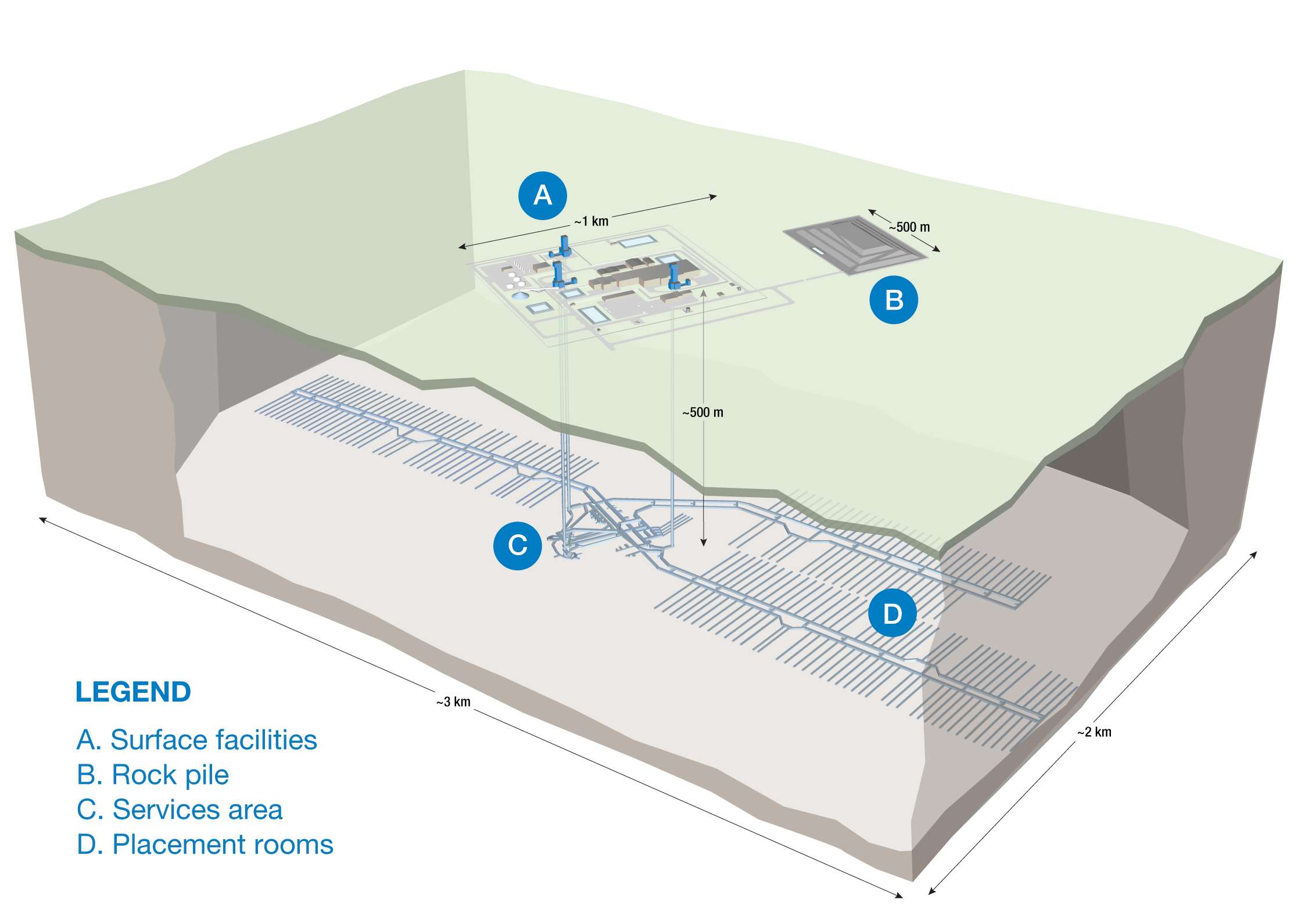
This photo is a rendering of the proposed Deep Geological Repository (DGR) at the Revell Site, designed to safely store nuclear waste deep underground for long-term environmental protection.
IAAC Publishes Critical Overview of Revell DGR Environmental and Community Issues
On February 16, 2026, the Impact Assessment Agency of Canada (IAAC), alongside the Canadian Nuclear Safety Commission (CNSC), released its Summary of Issues regarding the proposed Deep Geological Repository (DGR) for Canada’s used nuclear fuel. Managed by the Nuclear Waste Management Organization (NWMO), this repository is planned near the Revell site in Northwestern Ontario, and the Summary consolidates federal, provincial, Indigenous, and public feedback on the Initial Project Description.
The document provides an in-depth examination of potential environmental, social, and economic impacts associated with one of Canada’s most long-term and technically complex infrastructure projects. Residents, Indigenous Nations, and governments are encouraged to review the Summary of Issues to understand the multi-faceted concerns, from geological stability to community well-being. The full report is accessible through IAAC’s project registry.
The DGR project spans construction, operation, and monitoring periods estimated to cover nearly two centuries, raising questions about the repository’s long-term safety and reliability. The Summary emphasizes geological, seismic, and geochemical considerations, as well as potential radiological effects on water, wildlife, and nearby communities. Submissions highlight the importance of monitoring, reporting, and institutional controls to maintain protection for both current and future generations.
Transportation of used nuclear fuel to the repository has been flagged as a key concern. Indigenous communities and local residents along possible transport corridors expressed risks related to accidents, infrastructure pressure, and emergency preparedness. The IAAC encourages incorporating Indigenous Knowledge and meaningful engagement into project planning, ensuring that cultural practices, land use, and local governance are fully considered in all stages of the DGR lifecycle.
Social and economic implications are also highlighted. Residents raised concerns regarding temporary worker influxes, housing demand, local service strain, property value effects, and equitable long-term benefits. The multi-generational nature of the project underlines the need for strategies that avoid short-term employment spikes while fostering sustained regional economic stability.
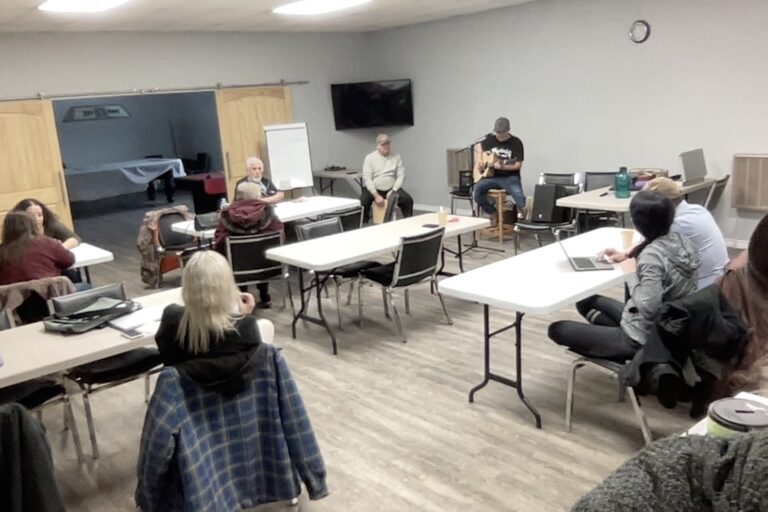
For communities closest to the Revell site, including Borups Corners and Dyment, the Summary of Issues is especially relevant. The Melgund Integrated Nuclear Impact Assessment (MINIA) Project is dedicated to studying environmental, social, and cultural impacts at a local level. Public participation and comments to IAAC ensure that local voices are reflected alongside Indigenous, federal, and provincial input, contributing to responsible, long-term decision-making for the DGR.
Engaging with the Summary of Issues and participating in the consultation process allows Canadians to influence how the DGR addresses environmental protection, radioactive waste containment, Indigenous rights, and community well-being. For complete access to the document and further information, visit IAAC’s official project page.
About the Author