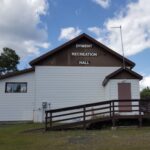

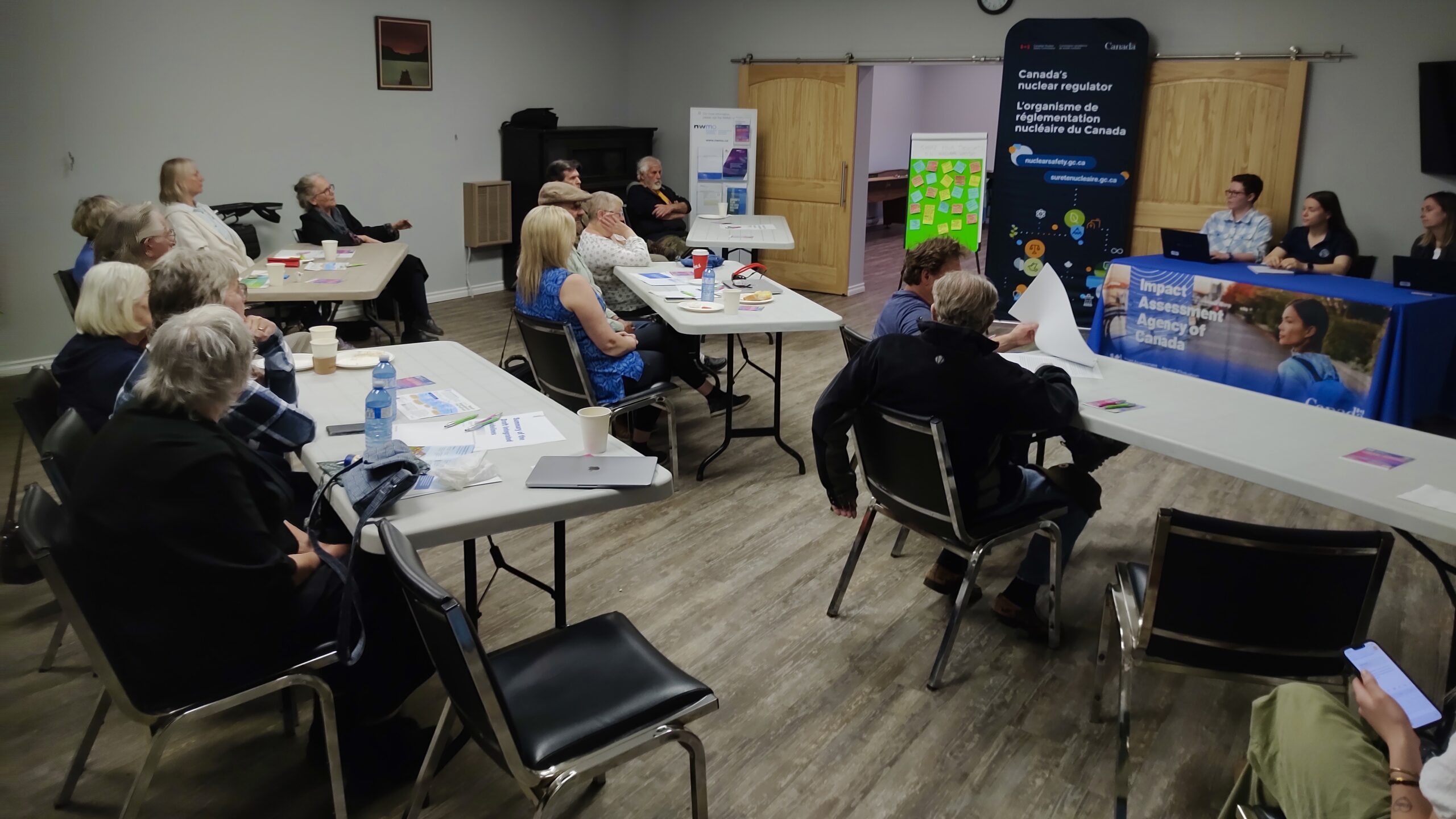
People from across the region came out to the impact assessment open house on nuclear safety at the Dyment Recreation Hall on April 22.
Local Arts Talent Meets Long-Term Nuclear Impacts in Melgund Township
The Dyment Recreation Hall was a hub of activity this past Wednesday as locals from across the Northwest converged for a unique Earth Day event that balanced hometown creativity with the complex future of Canada’s energy infrastructure. The “Spring Arts Exhibition” officially opened its doors, providing a colourful backdrop to a series of high-stakes technical briefings regarding the region’s role in nuclear waste management.
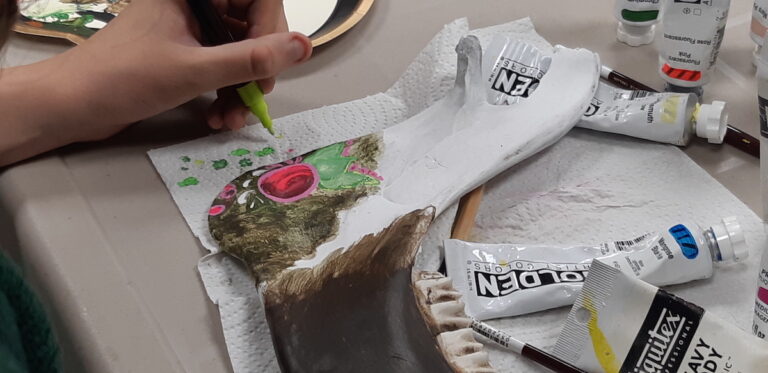
The lower level of the hall offered a masterclass in regional artistry. Visitors moved between displays of striking landscape photography, vibrant Indigenous paintings, and an array of hand-stitched textiles and knits. The exhibition served as a powerful reminder of the local culture and environment that residents are so keen to protect. The atmosphere remained upbeat through the afternoon, punctuated by a community-wide dinner that brought neighbors and experts together over a shared meal.
The conversation turned toward the horizon on the upper level, where the Impact Assessment Agency of Canada (IAAC) and the Canadian Nuclear Safety Commission (CNSC) held court. At the center of the dialogue was the Nuclear Waste Management Organization’s (NWMO) ambitious Deep Geological Repository (DGR). This proposed site, situated near Melgund Township in neighboring Revell, is designed to be a permanent, high-tech tomb for 5.9 million bundles of spent nuclear fuel.
With a project lifecycle estimated at 160 years and for thousands of years after, the proposed facility represents one of the most significant infrastructure decisions for the region in a century, sparking detailed questions from the public about long-term safety and environmental monitoring.
Local input is now more critical than ever as the project moves through the federal assessment phase. The community is invited to weigh in on the DGR proposal, with the formal window for public submissions remaining open until May 10, 2026.
This event was made possible through the support of the IAAC and its Participant Funding Program, which ensures that communities have the resources to engage directly with federal regulators. Whether you are an artist, a neighbor, or a concerned citizen, now is the time to make your voice heard on the registry.
About the Author